
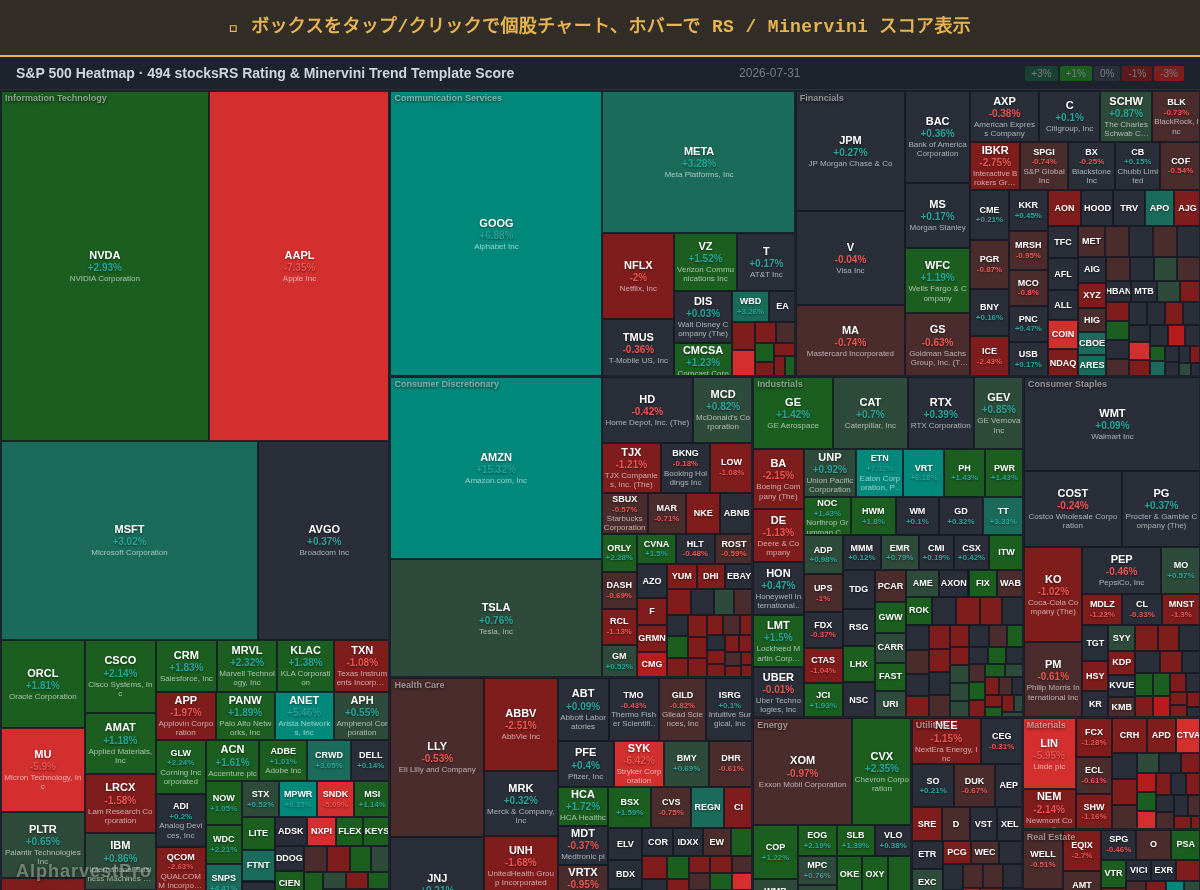
「市場のトレンドと調和して動けば、成功の可能性はトレンドに逆らった場合の三倍から四倍になる。」
“If you work in harmony with the trend of the market, your chances for success are three or four times what they would be if you buck the trend.”
— ワイコフ (Richard Wyckoff)
KOLの視点KOL Take
トレンドに合わせることを「好み」として扱うのをやめたのは、それを「倍率」として扱い始めた日からだ。市場を味方につけたセットアップと、市場を敵に回した同じセットアップは、気分の違う一つのトレードではない——勝率がまったく異なる、二つの別のトレードなのだ。
I stopped treating trend alignment as a preference the day I started treating it as a multiplier.
The same setup with the market behind you and against you is not one trade in two moods — it is two
trades with two different sets of odds.
核心原則Core Principle
すべてのポジションは、意識するかどうかにかかわらず、市場の方向性を引き継いでいる。上昇相場では、ミスは救済される——タイミングを外したエントリーもやがて含み益に転じ、平凡な銘柄でも相場に乗って持ち上げられる。下降相場では、同じミスが即座に罰せられ、優れた銘柄選択でさえもう救ってはくれない。1924年に書かれた時点で、ワイコフはすでにこれを意見ではなく算術として扱っていた。彼が主張していないことにも注目したい——逆張りのトレードが決して機能しないとは言っていない。ただ、それには重い代償を払うことになる、と言っているだけだ。
Every position inherits the market’s direction whether you account for it or not. In a rising
market, mistakes get bailed out: a mistimed entry drifts back into profit, a mediocre name gets
carried along. In a falling one, the same mistakes are punished immediately and good selection stops
rescuing you. Writing in 1924, Wyckoff already treated this as arithmetic rather than opinion. Note
what he did not claim — not that counter-trend trades never work, only that you pay a heavy toll to
take them.
トレーディングへの応用Trading Application
個別銘柄を評価する前に、まず市場自体のトレンドを確認せよ。市場全体が上昇し、候補銘柄が上昇中の長期移動平均線の上にあるなら、両者は一致し、勝率は積み重なっていく。両者が一致しないなら、正直に問うべきは、そのセットアップがその代償を払うに値するほど強いかどうかだ。要点:市場の方向性は背景の景色ではなく、すべてのポジションへの入力情報として扱うこと。
Establish the market’s own trend before you evaluate the stock. When the broad trend is up and the
candidate sits above a rising long-term average, the two agree and the odds compound. When they
disagree, the honest question is whether the setup is strong enough to pay that toll. The takeaway:
make market direction an input to every position, not background scenery.
Source: How I Trade and Invest in Stocks and Bonds — PROFITABLE EXPERIENCES