
「偉大な銘柄は稀だ。選別を厳しくし、最良のものに集中せよ。」
“Great stocks are rare. Be selective and go with the best.”
— オニール (William J. O’Neil)
核心原則Core Principle
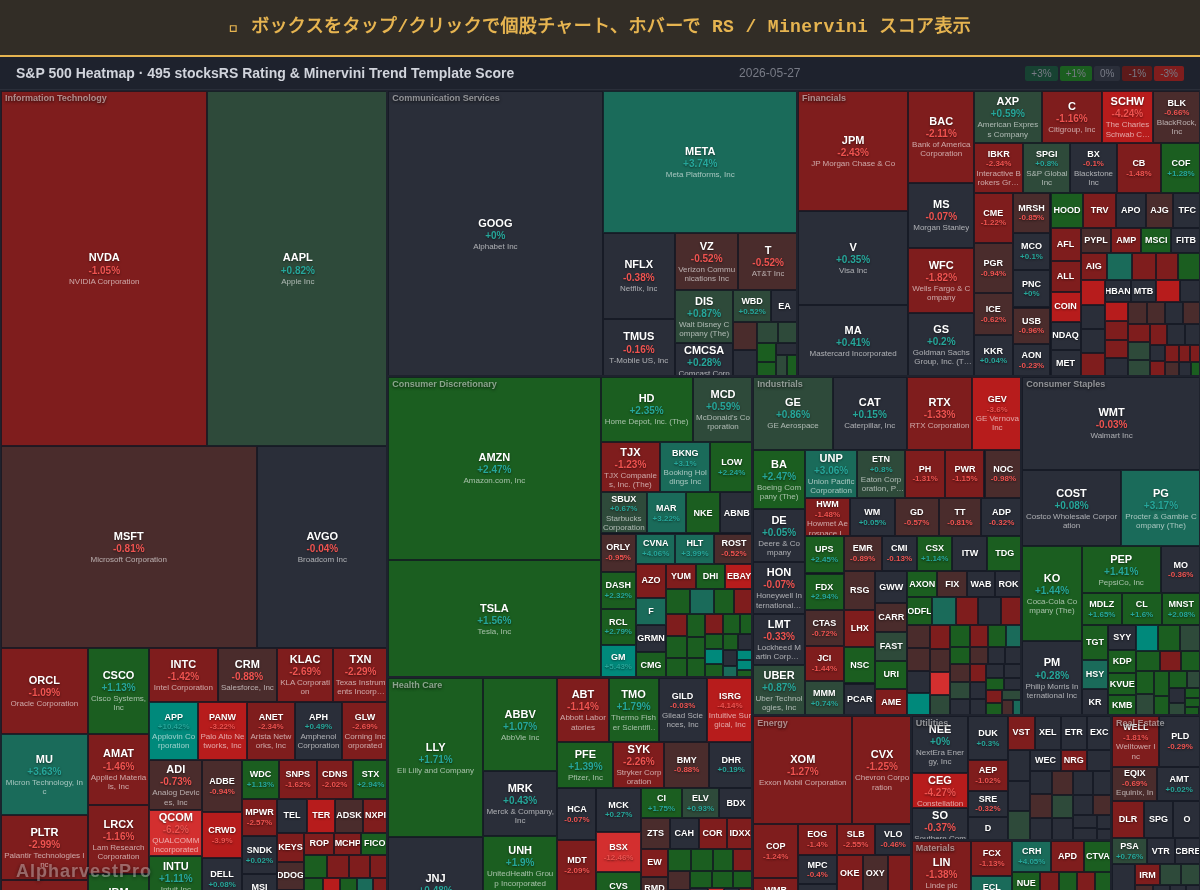
50銘柄のウォッチリストは戦略ではない――スプレッドシートを使った優柔不断だ。あまりに多くの銘柄を追うと、質の異なるセットアップに注意力が分散される。結果として、本当に最良の銘柄ではなく、最初にブレイクアウトした銘柄を買ってしまう。オニールの手法は容赦ないフィルタリングを要求する:トップの利益成長、トップのレラティブストレングス、適切なベース構造、そしてリーディング業種。大半の銘柄は複数の基準で脱落する。すべてをクリアした少数の銘柄こそが候補だ。短いウォッチリストは、各銘柄を深く研究することを強いる――出来高パターン、ベースの回数、利益のトラジェクトリーを把握する。この知識の深さが、ピボットで決断的に行動し、通常のボラティリティを乗り越えて保有する確信を与える。スクリーニングの広さには価値がある。ウォッチリストの広さは負債だ。
A watchlist of 50 stocks is not a strategy — it is indecision with a spreadsheet. When you track too many names, you dilute your attention across setups of varying quality. You end up buying the one that breaks out first, not the one that is truly best. O’Neil’s method demands ruthless filtering: top earnings growth, top relative strength, proper base structure, and leading industry group. Most stocks fail multiple criteria. The few that pass all of them are your candidates. A shorter watchlist forces you to study each name deeply — understanding the volume patterns, the base count, the earnings trajectory. That depth of knowledge gives you the conviction to act decisively at the pivot and hold through normal volatility. Breadth of screening is valuable. Breadth of watchlisting is a liability.
トレーディングへの応用Trading Application
アクティブなウォッチリストは8〜10銘柄に制限せよ。レラティブストレングス上位10%に入らず、加速する利益成長も見られない銘柄は外せ。短いリストからトレードに入る時、そのセットアップを熟知しているはずだ――その熟知がそのまま、より良い執行とより強い保有力に直結する。
Cap your active watchlist at 8-10 names. If a stock does not rank in the top 10% of relative strength and show accelerating earnings, remove it. When you enter a trade from a short list, you will know the setup intimately — and that familiarity translates directly into better execution and stronger holding power.
Source: 10 Trading Tips from Legendary Investor William O’Neil